
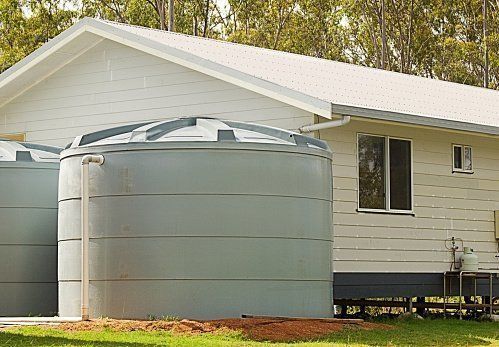

Types of Firefighting Pumps Centrifugal Pumps These are the most common types used in firefighting. They work by converting rotational kinetic energy into hydrodynamic energy to move water. They are ideal for situations where a steady, high flow rate is needed. Vertical Turbine Pumps Best suited for facilities with underground water sources, these pumps activate when the water supply is situated beneath the pump. Horizontal Split Case Pumps Renowned for their durability and long lifespan, these pumps serve a wide array of firefighting requirements. End Suction Pumps These pumps are both compact and cost-effective, typically employed in more modest firefighting configurations. Positive Displacement Pumps These pumps move water by trapping a fixed amount of it and then forcing (displacing) that trapped volume into the discharge pipe. They are used in high-pressure applications where precise water delivery is crucial. Portable Fire Pumps These are lightweight and easily transportable, making them ideal for remote areas where fire engines can't reach. They are typically powered by small engines and can draw water from any nearby source. Factors to Consider When Choosing a Pump When selecting a firefighting pump, consider several critical factors to ensure you choose the right one for your needs. Water Source The availability and type of water source will heavily influence your pump choice. If your water source is a lake or a river, you might need a pump with strong suction capabilities to draw water efficiently. Pressure and Flow Rate Determine the required pressure and flow rate needed to effectively combat fires in your area. Different pumps offer various pressure and flow capacities, so ensure the one you choose meets your needs. Portability and Size For rural or remote areas, a portable pump may be necessary. Consider the weight, size, and ease of transport of the pump, especially if you need to move it quickly over rugged terrain. Power Source Firefighting pumps can be powered by petrol, diesel, or electricity. The choice of power source depends on availability and convenience. For remote areas without electricity, petrol or diesel-powered pumps may be more suitable. Maintenance and Reliability Once you’ve selected a pump, regular maintenance is essential to ensure it remains reliable and effective when needed. Regular checks should include inspecting hoses and connections, checking for leaks, and running the pump periodically to ensure it is operational. It's also important to follow the manufacturer's guidelines for maintenance and servicing to avoid any malfunctions during critical times. Choosing the right firefighting pump involves understanding your specific needs and the characteristics of different pump types. By considering factors such as the water source, pressure and flow requirements, portability, and power options, you can select a pump that will serve you well in protecting life and property from fire hazards. Regular maintenance further ensures your equipment will be ready when you need it most.
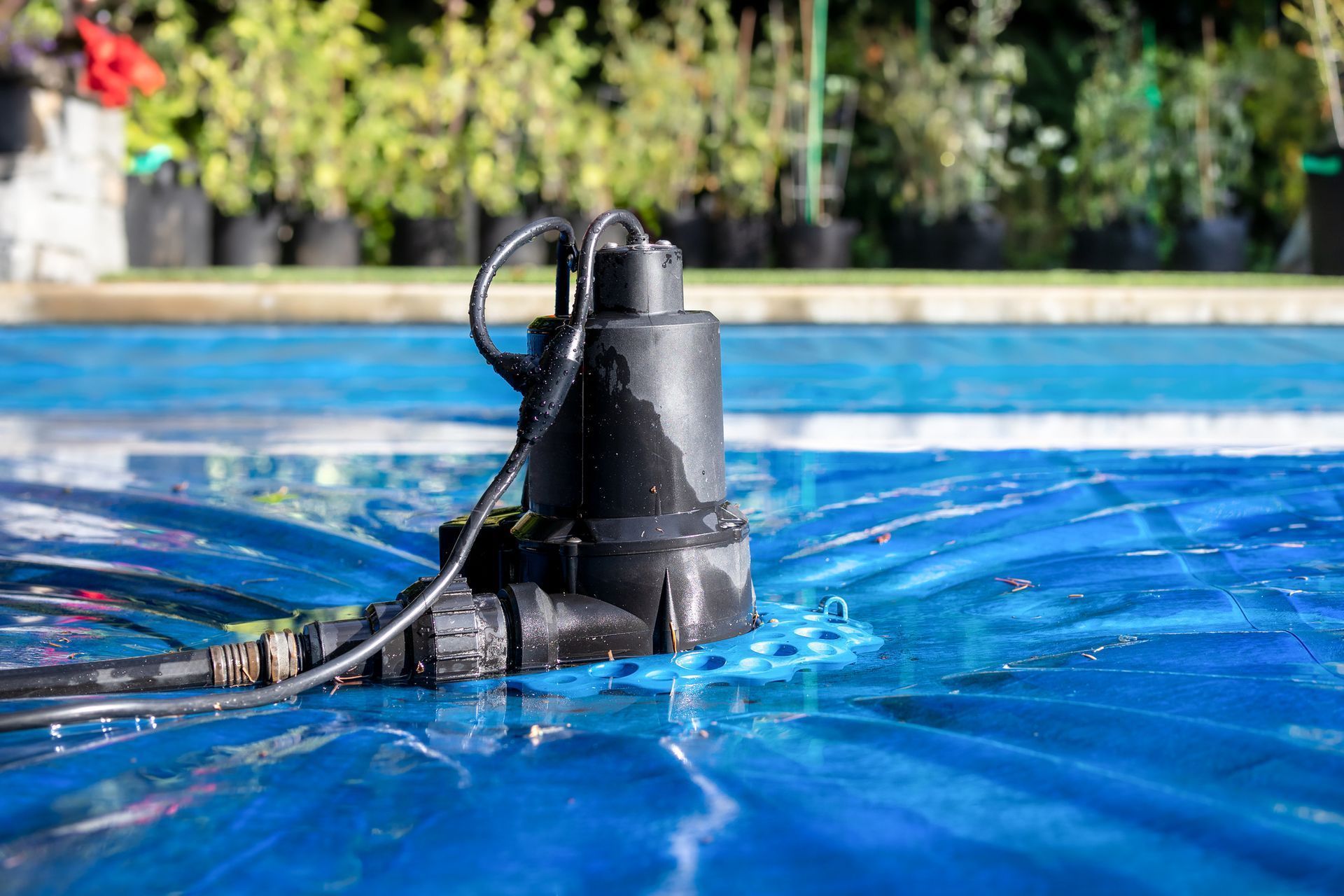
A pool pump is a crucial component of any swimming pool system, responsible for circulating water through the filter, heater, and chlorinator to ensure clean and safe swimming conditions. It plays a vital role in maintaining water clarity and hygiene. However, like any mechanical device, pool pumps can experience issues over time. Recognising the signs of a malfunctioning pool pump can help you address problems early and prevent costly repairs or replacements. In this article, we will explore the common indicators of a failing pool pump and what they mean for your pool's overall health. Find out more
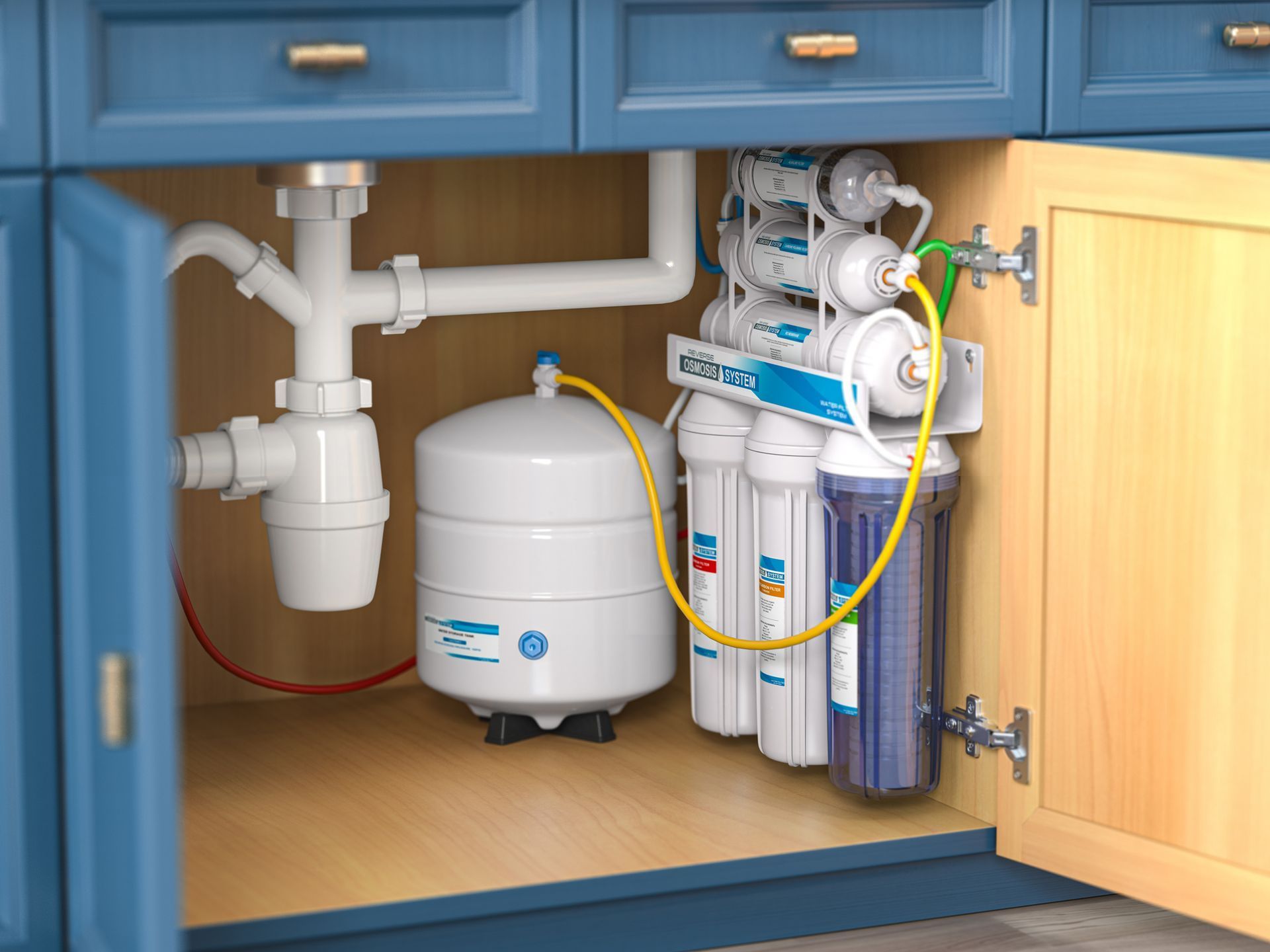
Selecting the right water filtration system is crucial for ensuring that your household has access to clean, safe, and great-tasting water. Different homes have different water needs, depending on the source and quality of their water supply. Before purchasing a water filtration system, it’s important to understand your specific requirements. Start by testing your water to identify any contaminants present, such as chlorine, lead, bacteria, or sediment. This will help you determine the type of filtration system you need. Additionally, consider the volume of water your household consumes daily to ensure you choose a system with adequate capacity. Fin d out more
Understanding Pool Inspection in Victoria Pool safety is an essential factor to consider when you own a pool, especially when you have children playing around the pool area. The Victorian State Government has a predefined set of rules and regulations that all pool owners must comply with. To begin with, your pool must be registered with the local council and pool owners must have their pool certified by a licensed pool inspector. Aspects such as pool barriers, the height of the fence, drains and more must be taken into consideration. The continuing compliance of the safety barrier must be renewed every four years. What is Pool Inspection? When you own a home or are planning to buy one with a pool, it is vital to ensure everything is intact with the pool area. Areas around the pool especially fences and outlets, must be compliant with the local government standards. Pool inspection helps you to understand if there are any issues with your pool. A pool inspector will make sure that the pool meets the local safety regulations and requirements. The inspector will check all the physical conditions of the pool such as the structure, decking, pool pump, filter, etc. External features such as diving boards, slides and pool ladders will be thoroughly checked by the pool inspector. The inspection process will also cover what is going on outside of the pool. Pool Barriers Did you know that over 25+ children have lost their life in Victoria in an unsafe pool? Pool safety is taken seriously by the Australian Government and a pool fence or safety barrier is one of the primary requirements according to the Victorian Building Authority Regulations. When to Install a Safety Barrier If you are installing a pool/spa or planning to buy a property with a pool that can hold more than 300mm (30cm) depth of water, then a safety barrier is a must. You can install a safety mesh or have a pool fence to restrict access to children. Be it in-ground, aboveground, or indoor pool/spa, a safety barrier compliance certificate must be lodged with your local council. A pool inspector can help you determine if your barrier is as per regulations and guide you to alter it if it is non-compliant. Altering a Safety Barrier In case you must alter your barrier due to non-compliance or just to remodel, you will have to get a permit from your local council, which can give you an insight into the current regulations. Mandatory Requirements for a Safety Barrier Height: Safety barriers must be 1.2 meters in height. Location: Safety barriers must not be in the proximity of objects such as planter beds or other movable objects. Barrier Maintenance: The safety barrier must be maintained regularly by the owner who must assess if there is any damage. Measures You Can Take to Ensure Pool Safety In addition to following VBA regulations, here are a few things you can do to enhance the safety of your pool and the surrounding area. For starters, you can add additional layers of security like installing pool covers or pool alarms. Always have rescue equipment like a floater and first aid kit nearby, just in case of an emergency. Clear out the area near the pool to avoid any accidental slips. Floats or tubes may increase the possibility of slips for kids and adults. Maintain the quality of water. Consult experts from Slater Pumps ( 03 9314-4977 ) to have pool pumps, filters, salt chlorinators and heaters installed. Get your pool inspected regularly, so you can take necessary measures if something is not in order. Frequently Asked Questions Should a brand-new pool fence be inspected? Yes, as per new laws all pools and spas must be inspected, and a compliance certificate must be lodged. In addition, it is always better to have your new fence’s height and other aspects checked out for the safety of your friends, family, and children. Where should the pool pump be installed? As per Victoria Building Authority Regulations, the pool pump must be protected with a barrier and must be installed 300mm away from the barrier. The team at Slater Pumps ( 03 9314-4977 ) has the required knowledge to install pumps as per the regulations so that you don’t have to worry about compliance. We’ll take care of it! What are the things that should be considered when heating a pool with heat pumps? Depending on the size of the pool, you should have a time switch to control the operation of the circulation pump. You should have a cover for the heat pump and all pipework carrying hot water must be insulated. With years of experience in the industry, our team has the know-how to install heat pumps that comply with the VBA regulations and will leave you with sound advice. Within how many days should the compliance certificate be lodged with the local council? Once the pool inspector provides a compliance certificate, you must lodge it with the respective council within 30 days. Why should I register for a pool inspection in Victoria? When you own a pool, you should take various things into consideration. One must be prepared to avoid any accidents that can occur. Pool barrier compliance is mandatory for all pools and spas in Victoria. Pool inspection is the first step, and an inspector can help you maintain safety and ensure your pool complies with the VBA regulations. What are the steps involved in ensuring pool safety and pool inspection in Victoria? Getting your pool inspected and compliant is easy and can be done in a few easy steps, which are as follows: Step 1: Register your pool or spa with your local council. Step 2 : Contact Slater Pumps (03 9314-4977) to ensure your pumps, filters, chlorinators and accessories are functioning properly. Step 3: Book a pool inspection with a reliable inspector. Step 4: Get a pool safety compliance certificate. Step 5: Lodge with the local council within 30 days. Let Slater Pumps Help You Swim on and Swim Safe! Talk to the experts at Slater Pumps ( 03 9314-4977 ) to know more about new pool pumps, filters, chlorinators, heaters and maintenance when required.

Bushfires are a part of the Australian landscape’s annual rejuvenation and every year, bushfires burn through millions of hectares of land – of course, heralding natural regrowth of vegetation, but also purging and displacing billions of animals, not to mention ruining our local communities. Victoria is one of the most fire-prone areas in the world, bushfire preparation is fervently followed by private entities and communities. Slater Pumps has been in the pump repair and pump sales business since the 1950s. We have been at the forefront of bushfire combat since our conception, and since the 1970s, there has been a marked rise in the intensity of the bushfires we have had to fight. We have seen the evolution of firefighting pumps that aids bushfire combat and can help you with all fire pump-related doubts. What is A Fire Fighting Pump ? To be fair, all pumps come in handy when there is a fire to put out. However, only firefighting pumps are structurally and functionally designed to withstand the extreme conditions of a fire and give you the safe results you are seeking. While most pumps come with a list of ideal working conditions, fire pumps are designed to give you full function even under heavy duress. A fire pump is usually made of sturdy steel or lightweight aluminium, without any components that might melt in the proximity of a fire. They are fuel-based and are designed to start in any condition while giving you the maximum output using the lowest amount of fuel. A fire pump packs all the power needed to give you maximum water flow and high pressure. Even the most basic fire pumps come with enough power to give you a water pumping height that covers at least a single-storey building. Most firefighting pumps are centrifugal pumps or positive displacement pumps. They are set up close to a water source that is adequate for supply in case of an emergency. These core machines can support a variety of firefighting systems like standpipes and firehoses, fire sprinkler systems, misting systems and more. When it comes to power and efficiency, the philosophy of fire pumps has been, "more the merrier". There are several models from portable fire pumps to industrial fire pumps, perfect for big, small, or multi-storeyed properties, or even properties like farmsteads that have dispersed buildings and assets. Commercial buildings and high-rises are required to have a firefighting system in place, as well as heavy-duty fire pumps and pipe systems, which require a separate pump room set up. For rural properties we can supply portable or vehicle mounted pump systems and additionally “remote electric start” pumps if you are away from your property. With Slater Pumps, you will find all the jockey and booster-type fire pumps that lead the market. We are adept with pump repair and pump sales and when it comes to fire pumps, our expertise and interest peaks hand-in-hand, much to our customer’s benefit. Find out more Who Needs to Have a Fire Pump? Anybody with fire-perishable assets needs to have a firefighting plan. However, the law requires certain entities to have efficient firefighting infrastructure to function and it is a good idea to make sure you have the minimum fire safety support as required by law, to begin with. Residential Properties The understanding is that if a building is too big to be supported by the local government's firefighting apparatus like a high rise or a multi-storeyed apartment block, you are required to have a water source and firefighting apparatus in place. Keep in mind that a fire pump will be of help in not just a bushfire, but any fire. Even when not legally bound to have one, a firefighting pump will help irrespective of the kind of firefighting support you have externally especially if your property is further removed from the populated areas. However, if you fall in the areas that are vulnerable to bushfire, you need a firefighting pump no matter what firefighting support is available externally. Look for a pump that you may be able to wield and get a water pumping height that covers the roof if you don't have fire sprinklers already. Commercial Properties Big, medium or small – commercial complexes are required to have a firefighting set-up. Besides firefighting tools like buckets, extinguishers and hoses, all medium and big commercial buildings have a fire pump room that is well-maintained and checked regularly. Get a fire safety pump and apparatus that can give the maximum coverage with ideal water pressure, and the pump rooms themselves usually are the most easily accessible rooms in a warehouse compound. Areas Prone To Natural Disasters If your property lies in the bushfire vulnerable zone, you know you need a fire pump. You are going to defend your property from the bushfires annually, so invest in a fire pump that makes you feel secure. Look for a portable option that is suitable for your water source and gives the water pressure and flow you are looking for. Stationary fire pumps will be a great choice if your land area is vast, or on a slope as bushfire behaves predicably in these conditions and it is a question of your fire readiness and capacity. Portable pumps and vehicle mounted pumps are also available, as well as “remote electric start” pumps. What Should I Look For in A Fire Pump? There are several factors to be considered while buying your fire-fighting pump. You want to be sure that you are getting yourself an option that needs little maintenance while offering you good durability. While shopping for a pump, do not opt for cheaper low-quality pumps, but look for the most cost-efficient and fuel-efficient pumps with maintenance and spare parts support into the future, that will not cost too much in the long run. Material Low-quality pumps have plastic parts or substandard metal structures that spell disaster when you are trying to fight a fire as massive as a bushfire. Your fire pump needs to be made of solid cast metal or aluminium construction best suited to the duty required. Power Source Your pump should give you full functionality while in use, for which its power source must be unfailing. So, unless you are 100% sure that your electricity backup will endure well and last you through a raging fire, do not buy a pump that runs on electricity. The best fire pumps use petrol or diesel and will have fuel tanks secured especially against a fire breach. Look for models that come with a fuel tank that is big enough to give you multiple rounds over your entire property. Familiarity Get a pump that you can take care of yourself. You should be able to set up, turn on and work your fire pump without external assistance. You should also have enough experience working it so that there are no glitches in your fire response. It would be ideal if you also know the parts of your pump and their functions, as this will save a lot of time in case you have to seek remote assistance with a glitch in an emergency. Ease of Use Fire pumps come with several features that are suited for various styles of firefighting. Most features have to do with the mobility, durability, and stability of the pumps. There are models that offer you bigger capacities, lower emissions, automated features and remote electric start, better sensors, etc. Get a pump that has the function and access features that supports your work method. Accessibility Even with a great pump, your bushfire fighting plan will fall short if you do not have your water source sorted. Your heavy-duty fire pumps should be installed near tanks, ponds, or swimming pools so that the effort spent in pumping the water is minimal, allowing you to focus the power consumption on the water flow and output. What Pressure Should A Fire Pump Be? The function of a regular pump may be just the transfer of water, but in a fire pump, the amount of water pressure that a pump can work up is the most crucial. Water pressure translates into water discharge speed and gives you the water pumping height you need. Most fire pumps work with the available water flow, but some do indeed ask for a minimum water flow capacity to be able to work up the ideal water pressure. In any case, a fire pump will have a flow rate mentioned to give you an indication of the minimum purpose and capacity. Water pressure directly depends on the size of the pump. However, do not choose the biggest pump you can get – you are looking for something that is proportionate to the size of your property. Make sure that it has the structural capacity and discharge outlet size to accommodate the water flow you are looking for. It should also be able to work up water pressure within the limits you want. Weak water flow may prove ineffective, and a pressure build-up that is too high can cause accidents, too. On average, you need a maximum head of 76m, or water pressure above 105 PSI to support a medium-sized residential property’s fire response. Engine-Driven Pump Units – Petrol Petrol-based firefighting pumps are one of the most common choices in residential and farming areas as they are versatile and easy to use and maintain. There are both two-stroke and four-stroke powered engines – four-stroked being the more favoured, and the diversity in this range is staggering. The firefighting capacity in this category is good enough for bushfire response and the best that are available in Australia are the Davey Fire Fighting Pumps. There are single and twin impeller options, all providing high head performance at 3600rpm. The Davey petrol firefighting pumps employ Honda engines and depending on the pressure, flow rate and maximum head you are looking for, there are over 20 options with Davey Firefighters. Engine-Driven Pump Units – Diesel Diesel-based firefighting pumps are more common in industrial-grade pumps, but these are more fuel efficient and provide more durability. They provide a better torque than petrol pumps and are high on performance, giving you the maximum water head with minimum fuel usage. When it comes to the best diesel fire pump, Davey firefighting pumps are a leader, with three very popular options. They use the world's best Yanmar engines and give you better fuel shelf life and features like remote access. They also are highly purpose-oriented and offer better rigging possibilities. The Davey Firefighters are not only Australia's best but are pretty much recognised as top-grade units all over the world. Need Help With Your Fire Pump Shopping? Slater Pumps has been involved with the evolving water transfer technologies since the 1950s, and we truly have seen the advancement of pumps with a reference to actual real-life performance. We are pump nerds with sound product knowledge that comes from years of listening to the experiences of our clients. We have seen firefighter pumps since their conception and you will find all the latest fire pumps, with all suitable rigging, in our huge and veritable collection. Call Slater Pumps & Stay Fire Safe If you are interested in discussing your needs and check out what fire pump will suit you the best, you will find that the Slater Pumps team is your true friend. Call us today ( 03 9314-4977 ) to make sure that you get a fire pump that is capable of being at the core of your firefighting plan
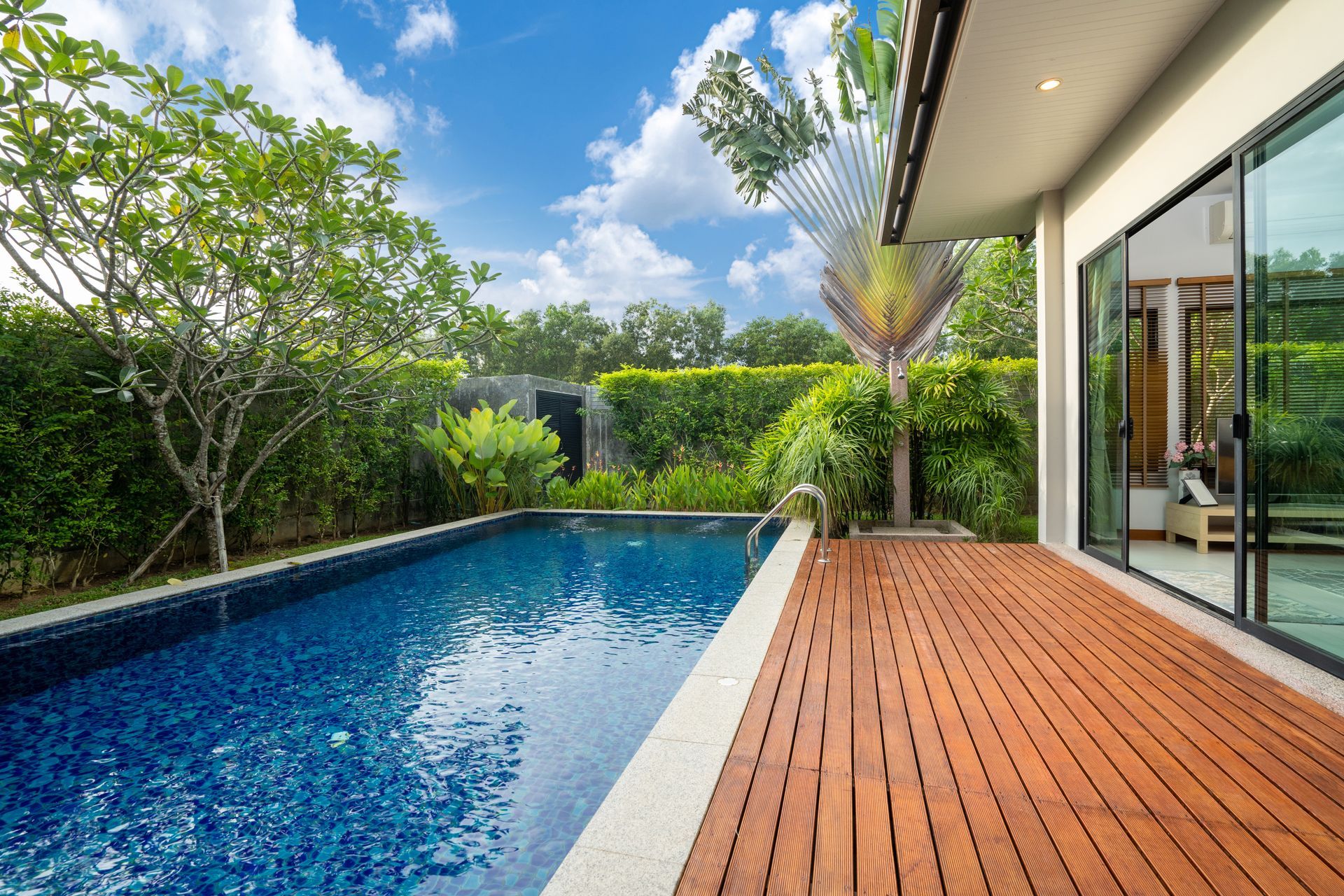
In terms of domestic luxury, there are two main options to consider: a swimming pool, or a hot tub. Both are synonymous with luxury, and make a wonderful addition to any home. With a swimming pool or hot tub – or both! – you will find your lifestyle effortlessly enhanced. However, there is a potential downside to owning your own pool or hot tub – it’s nowhere near as simple as you may hope. There’s the ongoing maintenance, the need to manage the pH with various chemicals, and much more besides. In this post, we’re going to focus on the need for a suitable pump for your swimming pool or hot tub. As a well-known vendor of swimming pool and spa pumps in Melbourne , we have the experience to guide you through choosing the right pump for your needs. So, without further ado, let’s jump into the deep end… Why are swimming pool and spa pumps necessary Swimming pool pumps create a flow of water through your pool. Pumps transport water between the filter, heater, and chlorinator to ensure that the water is always sanitised and ready for use. As a result, swimming pool pumps are vital, and no swimming pool should be without one. A spa pump provides the same assistance for filtration, but it is possible to find combination models that both filter and heat a hot tub. The combined filter/heater models are popular due to their ease of maintenance and simplicity. Should a swimming pool or spa pump always be in operation? In both cases, the answer is no. You don’t need to constantly run a swimming pool pump; a few hours per day is usually sufficient for domestic pools. Even commercial swimming pools in constant use should only need the pump to run for around eight hours per day. Spa pumps tend to only need to be in operation when the hot tub is in use. Which swimming pool pump is right for you There are numerous different types of swimming pool pumps. First, you will need to choose the right speed for your needs… Single speed pumps are highly affordable and premium models have excellent durability. They are perhaps more expensive to run than higher technology variable speed pumps, as they are always running at high speed maximum flow, but they are cheaper to purchase and maintain. Variable speed pool pumps can change the speed at which they work depending on the conditions. This also means the amount of electricity used varies, which can help to control costs when used correctly. Your next consideration is the size of the pump. If you choose a pump that is too small, the motor will exhaust itself and fail prematurely, so it’s important to get this right. You’ll need to know the entire water capacity of your pool when choosing a pump size. Measure the length & width of your pool & depth at each end and your pool professional can size the pump. Look for a pump that can circulate the entire pool capacity within six to eight hours. This information is usually found in the product description. If you can’t find this, just give us at Slater Pumps a call; we’ll be more than happy to point you in the right direction. Finally, consider the motor design of the pump. High quality motor design from recognisable brands such as Davey , Pentair & Onga can offer a range of benefits. These include energy saving and noise reduction. Again, if you’re unsure of any element of the motor design, we can advise you further. Which spa pump is right for you With spa pumps, you also have to consider the size and capacity. However, the key decision is whether you want a spa pump that also has a heater, or whether you would prefer to have two individual devices. When you have made this decision, all you need to do is find the right size for your hot tub. This information should be readily available on the item description. At Slater Pumps we can provide advice and support on selection of all spa and hot tub equipment. Which swimming pool pump brand should you buy If you are buying a swimming or spa pool pump for the first time, it can seem daunting. There’s so many brands to choose from, and most of them will be entirely unfamiliar to you. We understand this confusion, which is why we have sought to make the process as simple as possible for first-time buyers. We do this while still providing a comprehensive range that is suitable for more experienced purchasers. Our range of options for swimming pool and spa pumps is extensive, and features incredible brands such as… Davey pumps. Davey are one of the most reputable brands of swimming pool and spa pumps , and offer suitable options for a range of requirements and budgets. The pumps from this Australian company are particularly well-regarded for their ease of cleaning. This makes them a great choice if you’re seeking pumps that are as hassle-free as possible and are a premium quality product with great reliability and support. Pentair pumps. From variable speed pumps to pool pumps with timers. Pentair are likely to have an option in their range suitable for your specific needs. Onga pumps. Onga offer a huge range of different spa and swimming pool pumps. They’re a reputable brand who have enjoyed success with options such as the AutoJet and the 500 series, and are well worth considering in your search. They are particularly worthy of attention if you are looking for spa pumps in Melbourne . Onga spa pumps often include highly beneficial function heater also for spa bath applications. The next step After reading through the above, you should have a fair idea of the type of pump you need and the best brands to purchase from. If you need any further assistance with your swimming pool or spa pump purchase, please get in touch with our team here at Slater Pumps. We’ll be more than happy to help point you in the right direction!
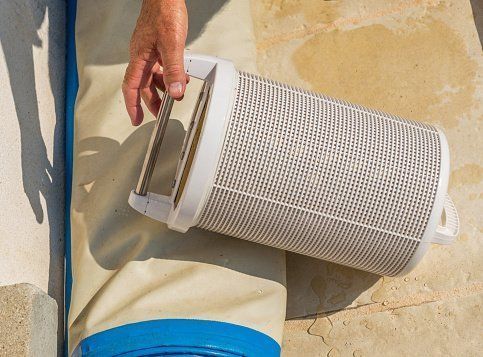
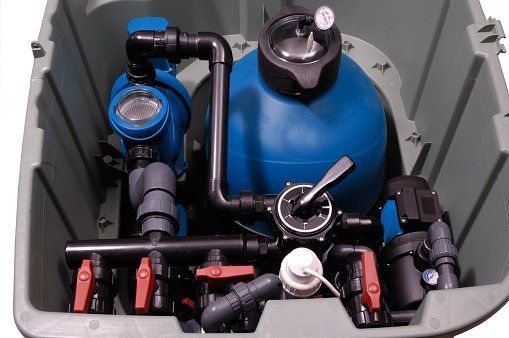
The Pros and Cons of Sand, DE and Cartridge Pool Filters One of the most vital components of any swimming pool is a filter. Without a quality filter, your pool will become dirty and stagnant and would be full of all kinds of debris and dirt, making it somewhere that no one would want to swim in. When it comes to having a pool that people want to swim in, hygiene should always be your utmost priority. After all, dirty water has the potential to make people very sick, which is why knowing how to keep your pool clean by combining a high-quality pool filtration system and the right cleaning chemicals is so important. Both of these two components – pool filters and cleaning chemicals – need to work in perfect harmony with one another. Otherwise, one has to compensate for the other. Many pool filters that are fitted to pools are actually too small for the swimming area in question and because of this, they under perform. That’s why ensuring that your pool filter is large enough for your pool is so crucial. When it comes to ensuring that your swimming pool is clean and clear, as well as appealing to swim in, having a good filtration system in place is vital. So if your filter is under performing or has broken down completely, you need to be selective when it comes to choosing a new one. What are the pool filter types on offer? There are three main types of pool filters; these are Cartridge Pool Filters, Diatomaceous Filters and Sand Pool Filters. Different people and different areas of the world tend to have different preferences, which is why it can be so difficult choosing the right pool filter for your pool. Many pool specialists believe that the suitability of pool filters is to do with the size of the pool, rather than how the filter itself works. One filter is not seen as being of a higher quality than other filters; it’s just that certain filters work better for different sized pools. Wondering what makes each filter so effective? To give you a better idea, below we have explained how each filter works and what makes each an effective option. Cartridge Pool Filters : Of all filter types, Cartridge Pool Filters have the highest capacity and is a hybrid of the two other filter types. This filter has the simplest design; water is pumped into the tank and then forced past polyester pleats, with the dirt becoming trapped in the layers of polyester. This filter can collect dirt down to 15 microns, which isn’t as high as the DE Filters, but is higher than the levels offered by Sand Pool Filters. Diatomaceous Filters : Also known as DE Filters, these filters are known for giving pools the cleanest water of all three filter types as it is able to filter out even the finest particles of dirt. This filter mostly uses the exoskeleton of algae (diatomaceous earth) and tends to work quite well, as long as the filter is large enough for the pool. In instances where the pool is large, using a larger filter is recommended. DE Filters can filter dirt down to 5 microns, making it the most effective filter option there is on the market, but has the disadvantage of moderate extra operational maintenance by pool owners. Sand Pool Filters : Of all the pool filter types, Sand Pool Filters are the easiest to use and most popular. They operate in a very basic way, but despite this, they are incredibly effective. Pool water is pumped through the system with the sand within it catching any dirt and debris, cleaning the water. The more tightly packed the sand is, the more effective the filter will be. The sand used in these filters is specially graded sand that has the ability to trap tiny particles of dirt and bacteria – this is the lowest maintenance pool filter there is and one of the most effective too. This filter can remove particles down to 25 microns, perhaps somewhat higher than the other two filter types. However, this is still one of the most effective pool filters there is on the market. When do they need changing, cleaning or improving? Cartridge Pool Filters : This filter only requires cleaning on a regular basis as required. Usually this is when the pressure gauge shows that there has been a pressure increase. To clean the filter, you simply have to remove the cartridge and wash off any dirt and debris with a hosepipe. Occasionally, it is recommended that each component of the filter is soaked in a specialist cleaner for at least 12 hours. Diatomaceous Filters : This filter is cleaned via backwashing when the system states that it has an added pressure increase. Once the filter has been backwashed, forcing dirt and debris out of it, new diatomaceous earth must be added to it, to make the filter functional again. Occasionally it is recommended that the filter membrane pads are coated in a specialist cleaner for at least 12 hours. Sand Pool Filters : Like Cartridge Pool Filters, Sand Pool Filters are more effective when they are slightly dirty, so over cleaning them can be detrimental to how they function. These filters are cleaned via backwashing on a regular basis, when pressure rise occurs. The filter is set to back wash, which blasts the sand clean and removes any dirt and debris from it. These filters are the easiest to use and maintain and are overwhelmingly the most popular. When it comes to how you can determine when a pool filter needs changing or replacing, that depends on how well it is functioning. If you notice that your pool isn’t as clean as it normally is, this is a sign that something isn’t right and that your pool filter needs maintenance or attention. If you aren’t sure if your pool filter needs to be replaced or repaired, then it’s best to contact the experts, to ensure that your pool is kept in the best condition possible and is as clean and free from bacteria as it can be. Slater Pumps can provide advice and support on request.
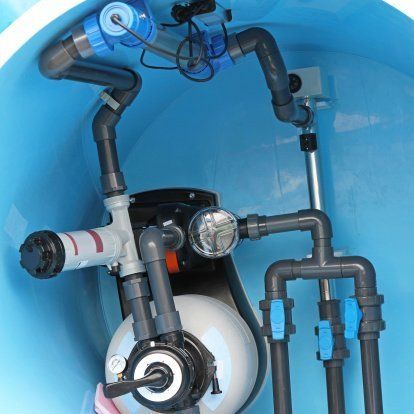
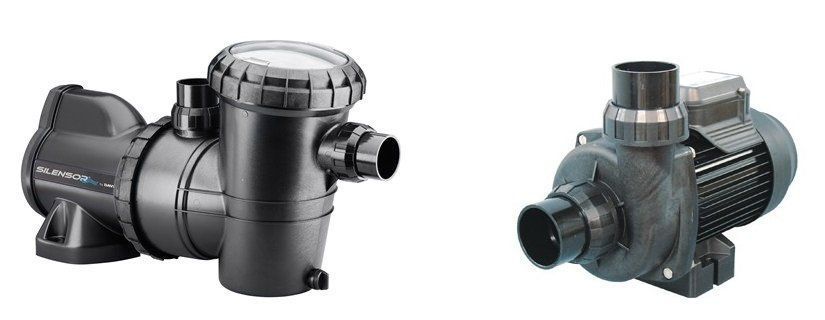
When it comes to choosing the type of pump you need for your pool you need to be careful. Swimming pool pumps aren’t one-size-fits-all. In fact, there are many different types of pool pumps out there for all sorts of different purposes. However, pool pumps are essential for keeping your pool hygienic and free from dirt. Here are some of the different types of pool pumps out there, helping you to decide which type of pool pump you should get for your particular setup. Variable-Speed Pool Pum When thinking about what pool pump you should get, it’s important to think about how you’ll be using it. One type of popular pool pump is the variable-speed. As the name implies, this pump can work faster or slower depending on the conditions. In other words, as the owner, you get to determine the flow rate – the rate at which water passes through the filter. Compared to single-speed pumps, variable pumps offer users the ability to adjust the amount of electricity they use, potentially saving you money in the long term. Although the setup costs are usually slightly higher, thanks to the overall complexity of the design, variable-speed pumps will often save you money in the long term, if used correctly. Slater Pumps have a wide range of variable-speed pool pumps for all applications. Dual-Speed Pumps Although variable speed pumps might offer a lot of speed settings, the majority of pool owners won’t use them all. In fact, what most people need is a pump with just a high and a low setting, depending on the conditions. The low setting is just for keeping the pool ticking over and the water fresh. The high setting is suited for pool parties or when using water features. Just like the variable speed pump, dual-speed pumps help to reduce the costs of running a pool by adjusting to demand. Slater Pumps stock the Davey range of dual-speed pumps and also support all other major brands. Single-Speed Pump Single speed pool pumps are the most affordable option for most pool owners, but not necessarily in the long term. Although the units themselves are remarkably cheap, costs can rise in the long run because they are always operating at high speed. Running at high speed makes them very efficient, but also means that they drain a lot of energy, potentially increasing your electricity bills. Slater Pumps stocks of fixed-speed pumps are selected and supported to satisfy clients performance and duty requirements with multiple options in stock. Which Motor Design Should You Choose? In addition to pump speed, modern motor designs on pool pumps incorporate a variety of energy saving and noise reduction designs. Slater Pumps stock and recommend the Davey Silencor fixed-speed water cooled pumps and Davey Promaster variable-speed water cooled pumps for best efficiency and energy saving. W hat Size Pump Should You Choose? The final consideration is one of size: how large should your pump be? If you choose a pump that’s too small for your pool, you’ll cause the motor to wear out and it’ll die prematurely. Ideally, you need to choose a pump that has the capacity to circulate all the water in your pool every 6-8 hours, but factors such as filter type and size, together with other duties (water falls and solar heating, etc) should also be considered when sizing your pool pump. S later Pumps can provide advice and support on request and have a wide range of options stocked for quick supply.
When it comes to choosing the type of pump you need for your pool you need to be careful. Swimming pool pumps aren’t one-size-fits-all. In fact, there are many different types of pool pumps out there for all sorts of different purposes. However, pool pumps are essential for keeping your pool hygienic and free from dirt. Here are some of the different types of pool pumps out there, helping you to decide which type of pool pump you should get for your particular setup. Variable-Speed Pool Pum When thinking about what pool pump you should get, it’s important to think about how you’ll be using it. One type of popular pool pump is the variable-speed. As the name implies, this pump can work faster or slower depending on the conditions. In other words, as the owner, you get to determine the flow rate – the rate at which water passes through the filter. Compared to single-speed pumps, variable pumps offer users the ability to adjust the amount of electricity they use, potentially saving you money in the long term. Although the setup costs are usually slightly higher, thanks to the overall complexity of the design, variable-speed pumps will often save you money in the long term, if used correctly. Slater Pumps have a wide range of variable-speed pool pumps for all applications. Dual-Speed Pumps Although variable speed pumps might offer a lot of speed settings, the majority of pool owners won’t use them all. In fact, what most people need is a pump with just a high and a low setting, depending on the conditions. The low setting is just for keeping the pool ticking over and the water fresh. The high setting is suited for pool parties or when using water features. Just like the variable speed pump, dual-speed pumps help to reduce the costs of running a pool by adjusting to demand. Slater Pumps stock the Davey range of dual-speed pumps and also support all other major brands. Single-Speed Pump Single speed pool pumps are the most affordable option for most pool owners, but not necessarily in the long term. Although the units themselves are remarkably cheap, costs can rise in the long run because they are always operating at high speed. Running at high speed makes them very efficient, but also means that they drain a lot of energy, potentially increasing your electricity bills. Slater Pumps stocks of fixed-speed pumps are selected and supported to satisfy clients performance and duty requirements with multiple options in stock. Which Motor Design Should You Choose? In addition to pump speed, modern motor designs on pool pumps incorporate a variety of energy saving and noise reduction designs. Slater Pumps stock and recommend the Davey Silencor fixed-speed water cooled pumps and Davey Promaster variable-speed water cooled pumps for best efficiency and energy saving. W hat Size Pump Should You Choose? The final consideration is one of size: how large should your pump be? If you choose a pump that’s too small for your pool, you’ll cause the motor to wear out and it’ll die prematurely. Ideally, you need to choose a pump that has the capacity to circulate all the water in your pool every 6-8 hours, but factors such as filter type and size, together with other duties (water falls and solar heating, etc) should also be considered when sizing your pool pump. Slater Pumps can provide advice and support on request and have a wide range of options stocked for quick supply.
Have you ever looked out your window in the middle of the winter and wished you could go swimming? Does it break your heart when the temperature drops and you have to put your swimsuit back in storage? What you need is a pool heater. Numerous types of pool heaters exist, all with their strengths and weaknesses. In this blog we’ll discuss what you should consider when deciding on your priorities as well as the pros and cons of different types of heaters and naturally Slater Pumps can supply advice & support and we market all types of pool heaters to best suit your needs. What Are Your Priorities? In a perfect world there would be a pool heater that heats fast and reliably, is inexpensive, makes no noise, is environmentally friendly, needs very little maintenance and is easy to install. Unfortunately, pool owners must determine which of the following characteristics to prioritise. Heats Fast and Consistently Most pool heaters can warm an entire pool, but not all of them can do so quickly. Some pool heaters take a significant time to heat the water. Some heaters may not have a fully consistent power source, so will not have a consistently ideal temperature. Inexpensive Obviously, for a more inexpensive heater you’re going to have to give up some other things. If you’re looking to spend less money in the long run (less energy and maintenance costs), you’re going to have to put in more money to purchase the heater. If you choose a heater that costs less to begin with, you may end up spending more later on. Noise Issues Your neighbourhood may have a noise restriction or you may want to ensure your pool area stays relaxing and peaceful. Some heaters include fans, pumps or motors that all produce noise. On the other hand, electric heaters can produce no noise at all. Most heaters require water recirculation to and from the pool and the main filter pump or heater recirc pump will exhibit some noise. It’s important to ensure that your heater is the proper size for the size of your pool. A heater that’s too large will use more energy for no reason, while a heater that’s too small will have to work overtime to heat the whole pool. What Type of Heater Do You Need? There are four main different types of pool heaters on the market. When choosing the type you want, consider your priorities. Solar Solar’s most obvious benefit lies in the low energy costs and lack of negative impact on the environment and usually are installed on roof top locations. Of course during the winter months the amount of sun available will be more limited, but generally a solar heating system will extend the pool season beyond summer and during spring. A solar heating system is usually powered by the pool filter pump, but sometimes a booster pump is required for high roof top installations. Electric Element An electric element heater has a low purchase cost, installs easily and takes up little space. However, they’re best for spas or hot tubs as they don’t heat up larger pools efficiently. This means your energy costs go up. Electric Heat Pump The electric heat pump option is the most energy efficient option for those who want year-round pool access. For extended seasons or year-round operation, electric heat pumps represent a fantastic choice for low energy costs. They do heat the water at a slower pace and cost more initially, but they boast more long-term benefits than some other options. Gas Gas heaters are perfect for reliable, fast and consistent heat on demand. The purchase cost is moderate, but they do require a suitable independent gas supply, usually natural gas or LPG dependent on the local market. When combined with a companion solar heating system as well, running costs are minimised and you may not necessarily need to give up being environmently friendly. Talk to Slater Pumps Footscray about your pool’s size and your needs and we will be able to help you determine which heater is best for you.



